If I had a dollar for every time a student used the wrong “there/their”..
Imagine, it’s May, you’ve been drilling grammar techniques for 9 months now, you go to grade your students’ final essays and… grammar mistakes galore. Seeing my students make grammar mistakes used to make me feel like such a failure. I taught you where to put a comma a MILLION times, why are you still missing them?
Grammar mistakes are common – but fixable with the right strategies. I am going to highlight the 3 specific errors I see the most in my middle school ELA classroom and the methods I have developed on how to best fix them.
Mistake #1: Sentence Fragments
Students often attempt to write incomplete thoughts, especially when starting with conjunctions. They confuse dependent clauses for full sentences or don’t know what’s missing.
I find that the best way to fix sentence fragments is making sure the students first understand what makes up a sentence.
Last school year was my first time teaching 7th grade in a long time. At the beginning of the year, I went to review what an independent clause was and realized…my students had no idea. So I put it in reverse and went to review subjects and predicates. Guess what…they had no idea what that was either. So I backed it up even further to parts of speech. FINALLY, something they were familiar with. Sometimes, that’s what it is. Putting it in reverse.
I now start every year, no matter what grade level of middle school, and begin with parts of speech. Once they’ve got that down, we move to subjects and predicates. Next, we move to independent or dependent clauses. Finally, we move to sentence types. Once students understand the technicalities behind what their sentences are supposed to consist of, they are more conscious of when they are using sentence fragments.
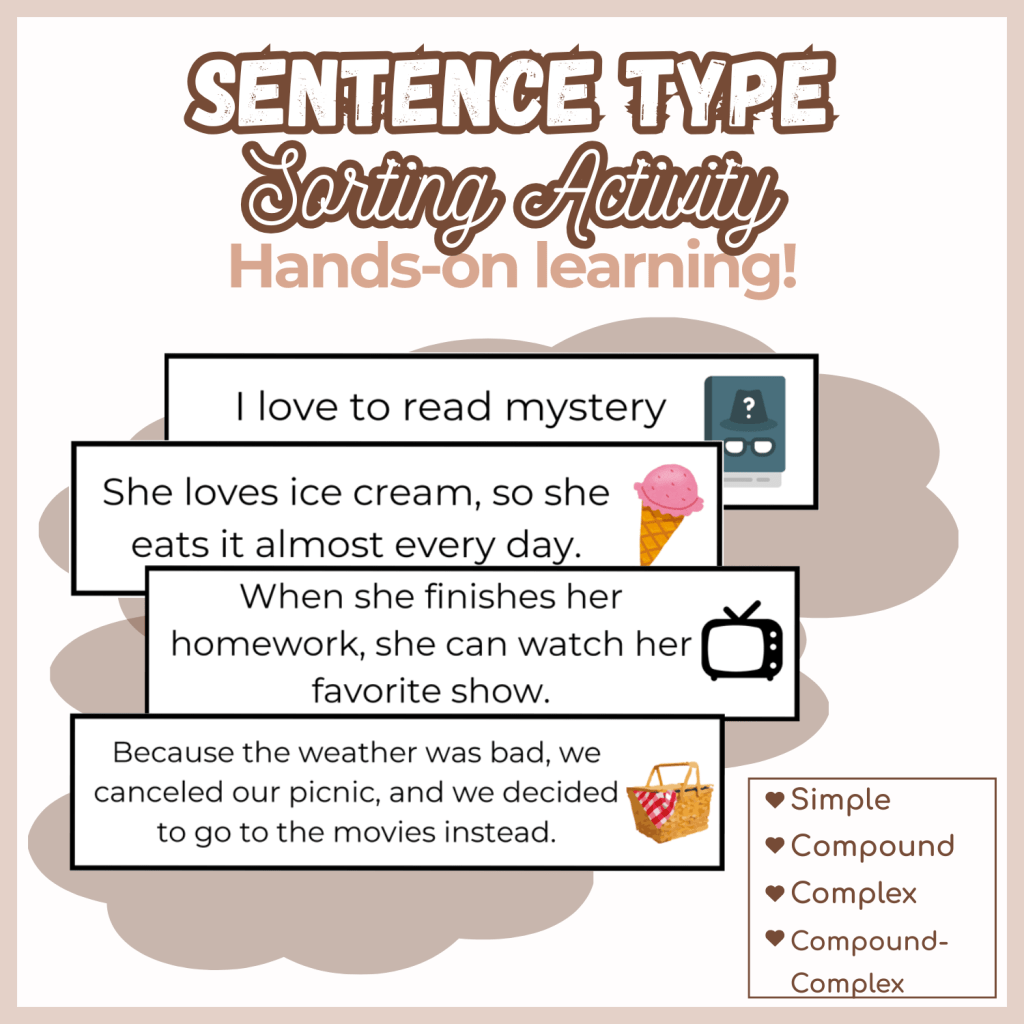
Some of my favorite activities to use for these lessons are:
- Parts of speech Puzzle Sort
- Sentence Type Sorting Cards
- Themed Subject & Predicate Worksheet
- Grammar & Editing Task Cards
Mistake #2: Run-On Sentence (Especially Comma Splices)
You know those sentences that just keep going and going without stopping or even breathing where there’s no punctuation where it should be and students just keep adding more ideas with a bunch of commas or sometimes nothing at all and suddenly you’re completely lost and wondering how you got here in the first place?
My students know that I preach sentence variety at every chance I get. But, especially at the beginning of the year, they aren’t always sure how to create sentence variety. They attempt anyways and often end up with a series of run-on sentences. They know what thoughts belong together, but aren’t sure how to put them together.
One of the very first things I do to avoid these run-on sentences, is practice FANBOYS with visual examples. I have anchor charts and posters around my classroom for them to always have conjunctions on their brains. I know some teachers like their students to memorize a variety of conjunctions and their purposes. For me, I know that 99% of the time, my students will have access to a device where they could look up a list of conjunctions. So, I would rather spend my time making sure my students know HOW to use conjunctions, rather than memorizing what every single one is. Conveniently, they almost always end up memorizing them throughout this process anyways.
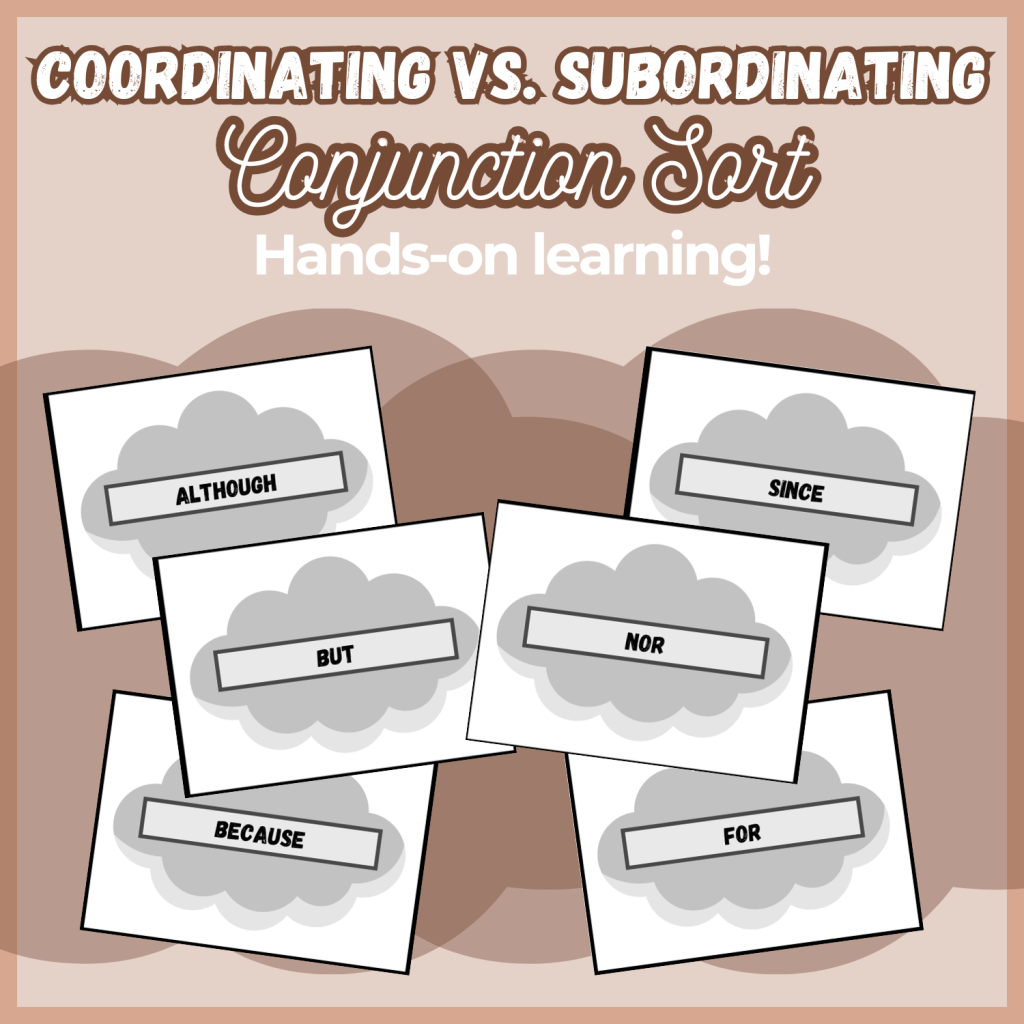
A great technique for fixing the run-on sentence habit is with sentence repair activities. My grammar and editing task cards include an activity where the students read a passage with various run-on sentences, and they edit these sentences to properly combine thoughts.

Additionally, I find that incorporating games or card sorts to identify and revise run-ons vs. compound/complex sentences can be a great way to get students engaged!
Mistake #3: Misusing Homophones
“Your going to love this book….”
These errors are BY FAR the ones that frustrate me the most. I will be zooming through essay grading and then feel like somebody SLAMMED on the brakes when I come across the wrong “there” or the wrong “your.” UGH.
These errors often come from rushing or lack of grammar confidence.
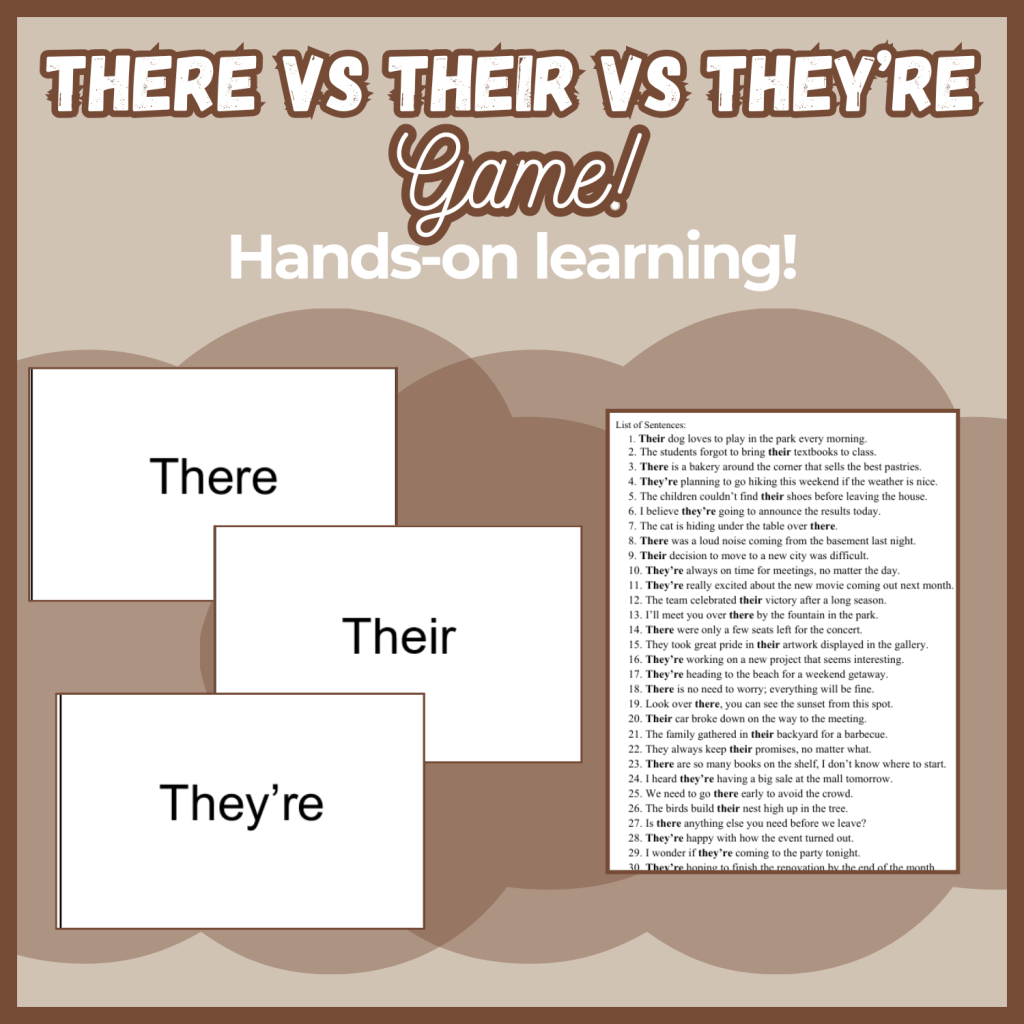
To avoid these mistakes, I try to spend time on each common homophone. My “there/their/they’re”, “affect/effect” and “your/you’re” games are a big hit in my classroom. We don’t play these all on the same day. I take a week or two to really focus on each homophone. We explain what the difference between the two is. We look at examples of them being used correctly, and then we play our game. I am always looking for an excuse to play a game in my classroom, and these are my favorite!
Additionally, my students are always using their “Editing & Revising Checklist” when writing essays to make sure that they don’t submit an essay with the wrong homophone. I would 100% encourage you to have a checklist handy for your students when they are writing their essays. Mine includes a variety of aspects to look out for such as sentence variety, formatting, homophones, and more. It is simple, easy to use, and FREE!
Grammar mistakes are normal, but with consistent, interactive practice, students can and do improve. It doesn’t take a full lesson – just quick, daily exposure adds up.
Want done-for-you grammar activities that help fix these issues? Check out the products in my store!!
Thanks for readiing!
Miss B


 Lovely Learning with Miss B
Leave a comment